4 Minute Read

The global LED stadium lighting market is entering a new phase of growth as sports venues, entertainment complexes, universities, and municipalities invest in more efficient and intelligent lighting systems. As part of the broader LED lighting market in 2026, stadium operators are replacing aging metal halide and high-intensity discharge (HID) systems with advanced LED technology that delivers superior energy efficiency, improved broadcast quality, lower maintenance costs, and enhanced fan experiences.

Growing investments in sports infrastructure, stricter energy efficiency regulations, and the increasing adoption of smart building technologies are creating significant opportunities for LED stadium lighting manufacturers and facility owners alike. As venues strive to meet modern performance standards, LED lighting has become a critical component of stadium modernization projects worldwide.

Key Takeaways

  • LED stadium lighting can reduce energy consumption by approximately 70% to 80% compared to traditional HID lighting systems.
  • Smart lighting controls, sensors, and cloud-based management platforms are becoming standard features in modern stadium lighting installations.
  • Growing investments in sports infrastructure projects are driving demand for advanced LED lighting systems worldwide.
  • Broadcast requirements for 4K and UHD content are accelerating the adoption of high-performance LED stadium lighting.
  • Asia-Pacific is expected to be the fastest-growing regional market, while North America remains a major contributor to overall market demand.

What Is LED Stadium Lighting?

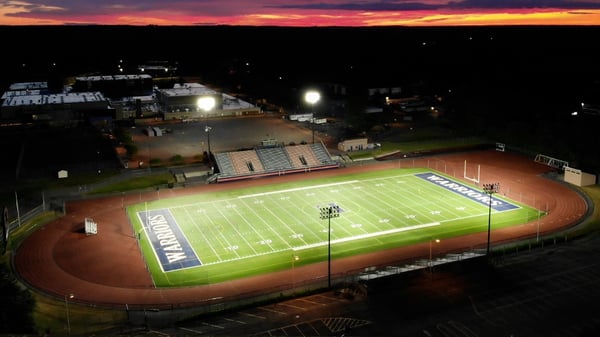
LED stadium lighting refers to high-output lighting systems specifically designed for sports fields, arenas, racetracks, and multi-purpose event venues. These systems use light-emitting diodes (LEDs) to provide powerful illumination while consuming significantly less energy than traditional lighting technologies.

Modern LED stadium lighting systems offer far more than basic illumination. Today's solutions often include advanced optics, instant on/off capabilities, wireless controls, remote monitoring, and dynamic lighting effects that can enhance both sporting events and entertainment experiences.

Because many venues host multiple event types, including sports, concerts, esports competitions, and community gatherings, flexible lighting systems have become increasingly valuable for facility operators.

Why the LED Stadium Lighting Market Is Growing

Several factors are contributing to the rapid expansion of the LED stadium lighting market in 2026.

Increasing Energy Efficiency Requirements

Governments worldwide continue to strengthen energy efficiency regulations and sustainability goals. Many stadium operators are responding by upgrading older lighting systems to LED technology that delivers higher efficacy and lower operating costs.

LED stadium lighting offers significant energy savings compared to traditional metal halide and HID fixtures. In many applications, facilities can reduce lighting-related energy consumption by 70% or more while improving overall lighting quality.

These savings can be especially impactful for large venues that operate lighting systems for extended periods throughout the year.

Stadium Renovations and New Construction Projects

Sports organizations and municipalities continue to invest heavily in new stadium construction and major renovation projects. Many existing facilities were originally built with technologies that no longer meet modern energy-efficiency, broadcasting, or operational requirements.

The need to upgrade aging infrastructure has created substantial opportunities for LED stadium lighting providers. New stadium projects are increasingly specifying LED lighting from the beginning, while existing facilities are pursuing retrofit programs to improve performance and reduce operating expenses.

Large-scale sports infrastructure investments in regions such as North America, Europe, Asia-Pacific, and the Middle East continue to support market growth.

Growing Broadcast Requirements

The rise of 4K, UHD, and high-definition sports broadcasting has increased lighting performance requirements across professional and collegiate sports venues.

Organizations such as FIFA and UEFA have established strict standards for illuminance, color rendering, and flicker performance. Modern LED systems are uniquely positioned to meet these requirements while maintaining energy efficiency.

Unlike older technologies, LED stadium lighting can provide excellent uniformity, precise beam control, and minimal visible flicker, helping venues deliver broadcast-quality viewing experiences for audiences worldwide.

Smart Controls Are Reshaping Stadium Operations

One of the most important trends within the LED lighting market in 2026 is the integration of smart controls and connected technologies.

Many modern stadium lighting systems now include:

These technologies allow facility managers to optimize energy usage, monitor system performance, and reduce maintenance costs. Some advanced systems even incorporate digital twin technology, allowing operators to model and optimize lighting performance in real time.

Smart controls also support entertainment-focused applications. Stadium operators can create customized lighting scenes for player introductions, halftime shows, concerts, and special events, helping venues generate more engaging experiences for fans.

LED Technology Continues to Advance

The performance of LED stadium lighting has improved dramatically over the past decade. Modern fixtures deliver higher lumen output, improved efficacy, enhanced optical control, and longer operating life than earlier LED generations.

One of the most notable improvements is luminous efficacy, which measures how efficiently a fixture converts electricity into visible light. Higher efficacy allows stadiums to achieve required illumination levels while consuming less power.

LED systems also provide several operational advantages:

Because stadium lighting fixtures are often mounted at significant heights, reducing maintenance frequency can create substantial labor and operational savings over the life of the system.

Regional Market Outlook

North America remains one of the largest LED stadium lighting markets due to ongoing sports facility upgrades and widespread adoption of energy-efficient technologies. The United States continues to lead the region as stadium operators invest in modernization projects and smart venue initiatives.

Asia-Pacific is expected to experience the fastest growth during the forecast period. Countries such as China, India, and Japan are investing heavily in sports infrastructure to support growing participation rates and international sporting events.

Europe continues to see strong demand driven by energy efficiency regulations, sustainability initiatives, and efforts to improve the spectator experience.

Meanwhile, the Middle East is investing significantly in world-class sports and entertainment venues, creating additional opportunities for LED stadium lighting manufacturers and technology providers.

What Does the Future Hold for LED Stadium Lighting?

The outlook for LED stadium lighting remains strong as facility operators prioritize energy efficiency, sustainability, smart building integration, and enhanced fan experiences. Continued advances in controls, connectivity, and lighting performance will further strengthen the value proposition of LED technology.

As part of the broader LED lighting market in 2026, stadium lighting is evolving from a basic utility into a strategic asset that supports operational efficiency, broadcast performance, sustainability goals, and venue profitability.

FAQ

How much energy can LED stadium lighting save?

Upgrading from legacy high-intensity discharge (HID) lighting to LED stadium lighting typically delivers baseline energy savings of 50% to 75%. When combined with advanced lighting controls, occupancy scheduling, and dimming protocols, total energy savings can approach or exceed 80%, depending on the venue and operating schedule.

Why are stadiums replacing metal halide lighting with LEDs?

LED systems offer lower energy consumption, longer operating life, improved broadcast quality, instant startup, and reduced maintenance costs compared to metal halide technology.

Can LED stadium lighting support smart controls?

Yes. Many modern LED stadium lighting systems integrate sensors, cloud-based management platforms, remote monitoring tools, digital twin technology, and automated control systems to optimize energy use and simplify maintenance.

How do LED stadium lighting systems reduce glare?

Modern LED stadium lighting systems use precision optics and advanced beam control to direct light exactly where it is needed. Many high-performance systems are designed to maintain a Glare Rating (GR) of 30 or lower, helping improve player visibility, spectator comfort, and broadcast image quality while reducing light spill.

What lighting standards are important for sports broadcasting?

Organizations such as FIFA and UEFA establish requirements for illuminance levels, color rendering index (CRI), uniformity, and flicker performance to support high-quality 4K and UHD sports broadcasting.

Which region is expected to experience the fastest growth in stadium lighting?

Asia-Pacific is expected to be the fastest-growing market due to significant investments in sports infrastructure, stadium construction, and international sporting events.

Is LED stadium lighting only used for sports?

No. Many venues use LED stadium lighting for concerts, esports competitions, community events, exhibitions, and other multi-purpose applications that require flexible, high-performance lighting.

Click here to get a full overview of the data from Global Market Insight.