3 Minute Read

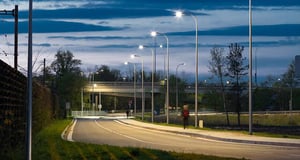
The DesignLights Consortium (DLC) has released SSL V6.0 and LUNA V2.0, introducing updated technical requirements that expand the industry's focus beyond energy efficiency to include responsible nighttime lighting. The new requirements establish qualification criteria for outdoor LED lighting that help reduce light pollution while maintaining the visibility, safety, and performance expected from commercial exterior lighting systems. As communities continue adopting dark-sky initiatives and more stringent exterior lighting requirements, LUNA provides a standardized framework for balancing energy efficiency with environmental responsibility.

Key Takeaways

    • DLC LUNA V2.0 introduces technical requirements that help reduce light pollution while maintaining safe, effective outdoor illumination.
    • The program expands on traditional DLC qualification by emphasizing responsible light distribution, spectral quality, and outdoor lighting performance.
    • Applying exterior lighting design best practices can improve site visibility, support sustainability initiatives, and prepare projects for evolving lighting standards.

What Is DLC LUNA Certification?

DLC LUNA certification identifies outdoor LED lighting products that meet additional technical requirements for responsible nighttime lighting. Rather than replacing the traditional DLC Qualified Products List (QPL), LUNA builds upon it with requirements addressing light distribution, spectral quality, controllability, and product testing.

The program encourages lighting solutions that direct light where it is needed while reducing unnecessary skyglow, glare, and light trespass—important considerations for commercial developments, municipalities, campuses, and mixed-use properties.

What Is the Difference Between DLC Standard and DLC LUNA?

The traditional DLC Standard program evaluates lighting products based on criteria such as efficacy, quality of light, controllability, and overall performance. DLC LUNA adds another level of qualification specifically for exterior lighting applications, recognizing products designed to minimize environmental impact without sacrificing lighting quality.

The program also aligns with many modern exterior lighting design best practices, including improved control of BUG (Backlight, Uplight, and Glare), reduced light trespass, and thoughtful fixture selection that supports responsible nighttime illumination.

What are LUNA Outdoor Lighting Requirements?

LUNA applies to many of the outdoor lighting products commonly specified for commercial, institutional, and municipal projects, including:

Many LUNA-qualified products also incorporate design strategies that support responsible outdoor lighting, such as optical shielding, controlled light distribution, and warmer correlated color temperatures (CCT) where appropriate to help reduce unnecessary blue light and nighttime environmental impacts.

Putting LUNA Principles into Practice

The Kevon One Office Center project completed by Stouch Lighting illustrates how responsible exterior lighting principles can deliver measurable improvements in commercial environments.

Working with the Kaiserman Company, Stouch Lighting upgraded the office campus with a modern LED exterior lighting system that enhanced visibility, improved the property's appearance, and significantly reduced energy consumption through carefully selected fixtures and optimized light distribution.

Projects like the Kevon One Office Center demonstrate how these principles work in practice, showing that thoughtful fixture selection, proper light direction, and energy-efficient design were already paving the way for many of the objectives reflected in today's DLC LUNA V2.0 standards.

Frequently Asked Questions

Can DLC LUNA-qualified fixtures still qualify for utility rebates?

Yes. Many utility incentive programs reference the DLC Qualified Products List (QPL) when determining rebate eligibility. While rebate requirements vary by utility, specifying LUNA-qualified products may help projects meet both energy efficiency goals and emerging outdoor lighting performance expectations. Building owners should always verify eligibility with their local utility before purchasing equipment.

Does DLC LUNA require a specific color temperature?

LUNA V2.0 establishes spectral quality requirements rather than requiring one specific color temperature for every fixture type. However, many responsible outdoor lighting designs use warm color temperatures, such as 3000K or lower, to reduce blue light emissions and better support dark-sky objectives when appropriate.

Why are shielding and BUG ratings important?

Shielding and BUG (Backlight, Uplight, and Glare) ratings help designers control where light is distributed. Proper optical control reduces light trespass onto neighboring properties, minimizes glare for drivers and pedestrians, and limits unnecessary uplight that contributes to skyglow. These practices are central to modern exterior lighting design and many dark-sky initiatives.

Looking Ahead

As utilities, municipalities, and commercial property owners continue to prioritize sustainable site design, DLC LUNA V2.0 provides a consistent framework for specifying outdoor LED lighting that balances efficiency, safety, and environmental responsibility. By incorporating practices such as improved optical control, reduced glare, and thoughtful fixture placement, organizations can create exterior lighting systems that meet today's performance expectations while supporting tomorrow's environmental goals.

Click here to read the full article by DesignLights Consortium.