2 Minute Read
PL_Two.jpg

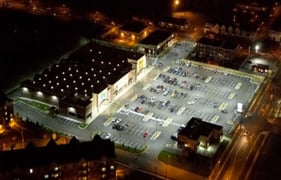
LED Lighting technology provides some excellent benefits for Parking Lot and Area Lighting applications because of how they GENERATE light and how they DISTRIBUTE light. Light Emitting Diodes generate light via a semi-conductor, as opposed to the consumption of a “fuel source” like in HID lamps. In regards to “distributing” light, LED fixtures commonly utilize “Multi-Point” sources, meaning the fixtures have multiple diodes with individual optics. When you compare this to the way most HID fixtures distribute light (with a single bulb and reflectors within the fixture), the result is light that is more evenly “distributed’ across a surface.

Tell Us More About Your Project

While light production and light distribution might be interesting, those individuals managing outdoor lighting applications need tangible business reasons to transition to a LED solution. Below are three reasons to make that transition: energy cost reduction, maintenance cost reduction, and overall lighting performance. Let’s drill into each one of these issues more below:

Energy Savings

If you read my first post “Common issues With Parking and Area Lighting”, you learned that a common HID parking lot light ranges from 100 to 1000 watts. Now if we compare that to the equivalent LED parking lot light - the typical range is 40 watts to 300 watts. So right off the bat there is a 40% to 60% drop in energy by converting to LED lights. From a dollars perspective this is an average savings of $300 dollars per fixture, per year. Depending on the size of your parking lot, this cost reduction measure can really add up over time.

Maintenance Savings

Lighting maintenance costs are a large driver of cost for any organization with parking and area lighting. Primarily because these lights are often serviced by third party contractors due to the need of a bucket truck or lift. The good news is due to the way LED’s generate light, the way they progress through their functional life is much different. Instead of ceasing to function properly once a fuel source is significantly reduced, LED generated light output degrades very slowly over time. As a result, the functional life (often in excess of 100,000 hours) of an LED product can be significantly longer than that of an HID Lamp...which in turn drastically reduces the costs for maintaining a Parking and Area fixture over a longer period of time.

Lighting Performance

The lighting performance is a critical and often overlooked component of the evaluation on whether to convert to LEDs or stay with traditional HID lamps. You must ask yourself, are the lights illuminating the area properly? Do my patrons feel safe and secure when walking and driving through the area? A traditional HID fixture often produce a “bright spot” directly underneath the fixture with light levels decreasing drastically as the distance from the pole increases. In contrast, the way LED fixtures distribute light provides a very evenly distributed light pattern on the surface below. What this means is that light levels across a given surface will vary less as the distance from the pole or fixture changes. So LEDs mitigate this “bright spot” problem through even distribution of light. The result, is a more even foot candle distribution from the LED conversion. In addition to the even distribution of light, LEDs are available in a range of color temperatures, and as a result provide a range of options to increase the visual perception of “brightness.”

So from both an economic standpoint and a lighting performance standpoint we can see that there are major incentives to transition away from traditional HID lamps. LED’s can help improve your bottom line, reduce the maintenance burden, and increase the performance of your lights for customers and patrons. To learn more about an LED retrofit for your organization contact us today. We look forward to working with you and your team.