5 Minute Read

Choosing the right commercial lighting system starts with understanding how lighting consumes energy and delivers illumination. Whether a facility is upgrading parking lot fixtures, retrofitting warehouse lighting, or improving office environments, understanding electrical and photometric terminology helps businesses reduce operating costs and improve long-term system performance.

The most important lighting energy terms include Joules, Watts, Kilowatt-hours (kWh), and Lumens per Watt (lm/W). Together, these measurements explain how lighting systems use electricity, how utilities calculate energy costs, and how efficiently fixtures convert power into usable light.

Key Takeaways

Understanding lighting terminology helps organizations compare fixture technologies, evaluate operating costs, and identify more energy-efficient lighting solutions.

What lighting energy metrics matter most for commercial facilities?

    • Joules measure total energy consumption.
    • Watts measure power demand.
    • Kilowatt-hours measure electricity usage over time.
    • Lumens measure visible light output.
    • Lumens per Watt measure luminous efficacy
    • Higher system-level efficiency lowers operating costs.

What Is a Joule in Lighting?

A Joule (J) is the standard unit of energy in the International System of Units (SI). In lighting applications, Joules represent the amount of energy consumed by a lighting system.

1 Watt = 1 Joule per second

Every lighting fixture consumes energy continuously while operating. The goal of modern lighting design is to reduce total energy consumption while improving illumination quality, fixture lifespan, and photometric performance.

This is one reason LED lighting systems have become the preferred solution for commercial buildings. LEDs produce higher-quality illumination while consuming significantly less energy than older technologies like metal halide, fluorescent, or HID fixtures.

What Is a Watt?

A Watt (W) measures electrical power, or the rate at which energy is used.

For example, a 100W fixture consumes 100 Joules of energy every second it operates. Larger electrical loads are often measured in Kilowatts (kW):

1 kW = 1000 W

Watts are important because they directly affect electricity demand and utility costs. Lower-wattage fixtures generally reduce operating expenses, especially in facilities where lighting runs for extended hours each day.

What Are Watt-Hours and Kilowatt-Hours?

While Watts measure power at a specific moment, Watt-hours (Wh) and Kilowatt-hours (kWh) measure energy consumption over time.

For example:

    • A 100W fixture running for one hour uses 100Wh
    • A 1,000W lighting system running for one hour uses 1kWh

The relationship is:

Energy = Power × Time

Utility companies bill commercial facilities based on kWh usage, making this one of the most important measurements for facility managers and energy professionals.

Reducing kWh consumption can help organizations:

    • Lower utility bills
    • Reduce operating expenses
    • Improve sustainability initiatives
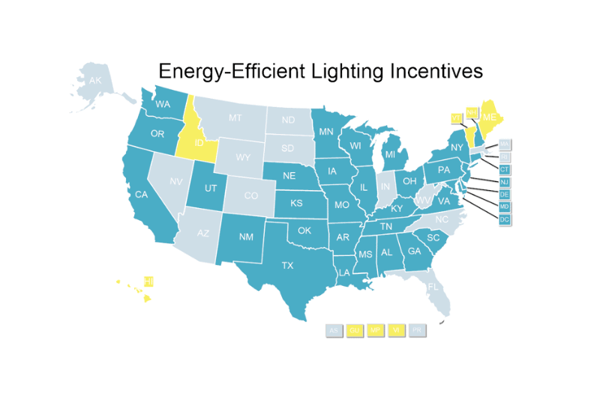
    • Increase rebate eligibility
    • Reduce HVAC cooling loads.

Turn Lighting Efficiency Knowledge into Real Energy Savings

Understanding lighting energy terms like joules, watts, kWh, and lumens per watt is essential when evaluating the performance and efficiency of your lighting systems. The next step is applying that knowledge to identify opportunities for improved lighting quality, lower energy costs, and reduced maintenance.

Explore our Turnkey Commercial LED Lighting Retrofit & Upgrade Services to learn how Stouch Lighting helps organizations modernize their lighting systems with high-performance LED solutions designed for long-term value.

When you're ready, schedule a call with our lighting experts to discuss your facilities and discover opportunities for greater efficiency and savings.

👉 Explore Turnkey Commercial LED Lighting Retrofit & Upgrade Services
👉 Schedule a Call with Our Lighting Experts


What Are Lumens and Lumens per Watt?

Lumens measure the total amount of visible light produced by a lighting fixture. Unlike Watts, which measures energy consumption, lumens measure brightness and illumination output.

The higher the lumen rating, the more visible light a fixture produces. For example, a parking lot fixture with 20,000 lumens delivers significantly more illumination than a small office fixture producing 4,000 lumens.

However, lumen output alone does not determine how efficient a lighting system is. That is where Lumens per Watt (lm/W) becomes important.

Lumens per Watt measures luminous efficacy, or how efficiently a fixture converts electricity into usable light.

Lumens per Watt = Lumens ÷ Watts

A fixture with higher lm/W produces more light while using less electricity. This is one reason modern LED systems outperform many traditional lighting technologies. LEDs often deliver higher lumen output with significantly lower wattage, improving both energy savings and overall photometric performance.

Comparing Common Commercial Lighting Technologies

Lighting Technology

Typical Wattage

Light Output

Average lm/W

Metal Halide / HID

400W

20,000 lumens

50 lm/W

Fluorescent T8/T5

54W

5,000 lumens

90 lm/W

LED Fixture

150W

21,000 lumens

140 lm/W

This comparison highlights why LEDs consistently outperform legacy technologies in commercial applications. LEDs offer higher luminous efficacy, lower energy consumption, improved optical control, and a longer operational lifespan.

How Does LED Lighting Improve System-Level Efficiency?

The West Chester Area School District parking lot lighting upgrade at E.N. Peirce and G.A. Stetson Middle Schools demonstrates how understanding kW, kWh, and luminous efficacy translates into measurable savings.

The Challenge

The district wanted to improve exterior lighting quality while reducing energy consumption and maintenance requirements across two middle school parking lots.

Their existing metal halide fixtures consumed significant power, required ongoing maintenance, and delivered lower-quality illumination.

The Solution

The project included:

    • Replacing existing 250W metal halide fixtures with 101W LED fixtures
    • Replacing existing 400W metal halide fixtures with 168W LED fixtures

By reducing fixture wattage while improving photometric performance, the district significantly lowered its energy demand and operating costs.

The Results

The LED conversion produced measurable improvements:

    • Annual kWh reduction: 74,390
    • Lighting energy reduction: 66%
    • Annual maintenance savings: $6,893
    • Rebate eligibility: $5,095
    • Greenhouse gas reduction: 83,446 lbs
    • Total fixtures replaced: 88
    • Projected ROI: 28 months

This project demonstrates how lower wattage fixtures, higher luminous efficacy, and improved optical performance can dramatically reduce commercial lighting costs while improving visibility and safety.

Why Do These Lighting Metrics Matter?

Each lighting measurement provides a different perspective on system performance.

Metric

What It Measures

Why It Matters

Joules

Total energy consumed

Overall energy usage

Watts

Instant power demand

Electrical consumption

kWh

Energy used over time

Utility costs

Lumens

Visible light output

Illumination quality

Lumens/Watt

Luminous efficacy

Energy savings and ROI

When businesses evaluate lighting upgrades, they should focus on reducing wattage and kWh consumption while improving luminous efficacy and overall photometric performance.

FAQ

What is the difference between Watts and Lumens?

Watts measure how much electricity a lighting fixture consumes, while lumens measure how much visible light the fixture produces. A lower wattage fixture with high lumen output is generally more energy efficient.

Why are Lumens per Watt important?

Lumens per Watt measure luminous efficacy, or how efficiently a fixture converts electricity into visible light. Higher lm/W values typically indicate better system-level efficiency and lower operating costs.

What is a Kilowatt-hour (kWh)?

A Kilowatt-hour is a measurement of energy consumption over time. Utility companies use kWh to calculate electricity usage and energy costs on commercial energy bills.

Why do LEDs use less energy than metal halide or fluorescent lighting?

LED fixtures produce more usable light with lower wattage requirements. They also provide improved optical control, longer operational lifespan, and reduced maintenance needs compared to many legacy lighting technologies.

How do lighting upgrades reduce maintenance costs?

Modern LED systems last significantly longer than traditional fixtures, reducing lamp replacements, labor costs, and maintenance interruptions. Many LED systems also include advanced controls that improve overall system performance and energy management.

Can lighting upgrades qualify for rebates?

Many commercial LED upgrades and lighting control projects qualify for utility rebates and energy incentive programs. Rebate availability often depends on fixture performance, control strategies, and regional utility requirements.

Conclusion

Understanding lighting energy terminology helps organizations make smarter decisions about lighting upgrades, operating costs, and long-term energy performance. Metrics like Watts, kWh, and Lumens per Watt provide valuable insight into how efficiently a lighting system operates and how much energy it consumes over time.

Businesses looking to improve lighting performance, reduce maintenance costs, and identify energy-efficient lighting solutions can work with Stouch Lighting for expert lighting procurement support and tailored commercial lighting guidance for their facility needs.