5 Minute Read


Compact fluorescent lamps (CFLs) once transformed commercial lighting by dramatically reducing energy consumption compared to older technologies. For years, they became the go-to solution for businesses looking to lower operating costs without replacing entire lighting systems. Today, however, LED lighting has taken that role even further.

Comparing CFL and LEDs comes down to maximizing energy efficiency, improving lighting performance, reducing maintenance, and preparing facilities for the next generation of smart buildings. As many organizations pursue sustainability initiatives and facility modernization projects, CFL replacement with LED has become one of the most common and cost-effective upgrades.

Key Takeaways

  • Replacing CFLs with LEDs reduces energy consumption while improving overall lighting performance.
  • Longer LED lifespans help lower maintenance costs by reducing the frequency of lamp replacements.
  • Advanced features like instant-on operation, dimming, and lighting controls make LEDs better suited for modern commercial buildings.
  • Mercury-free construction and improved efficiency make LEDs a more environmentally responsible long-term lighting solution.

Why Were CFLs So Popular?

Before LEDs became commercially practical, CFLs represented a significant improvement in energy-efficient lighting.

Compared to previous lighting technologies, CFLs offered:

  • Lower electricity consumption
  • Longer operating life
  • Reduced replacement frequency
  • Compatibility with many existing fixtures

For commercial facilities managing thousands of lamps, these improvements translated into meaningful utility savings and reduced maintenance.

However, lighting technology continued to evolve. As LED manufacturing improved and costs declined, the advantages that once made CFLs attractive became far less compelling.

LED vs. CFL: Which Is Better?

For most commercial applications, LED lighting outperforms CFL technology in nearly every measurable category.

Feature

CFL

LED

Energy Efficiency

High

Higher

Typical Lifespan

8,000–10,000 hours

25,000–50,000+ hours

Warm-Up Time

Yes

Instant

Dimming

Limited compatibility

Excellent compatibility

Cold Temperature Performance

Reduced performance

Excellent

Mercury Content

Yes

No

Maintenance Requirements

Moderate

Low

Smart Controls Compatibility

Limited

Excellent

The result is a lower total cost of ownership over the life of the lighting system.

How Much Energy Do LEDs Save Compared to CFLs?

While both technologies are energy efficient, LEDs typically require less wattage to produce the same amount of light. For example, a CFL may require approximately 15 watts to produce around 700 lumens, while an LED can deliver similar light output using only 8 watts.

Although the wattage difference may seem small for a single fixture, the savings become substantial across hundreds or thousands of fixtures operating for long hours. Over time, the reduced electricity consumption can significantly lower operating costs.

LEDs also convert a much higher percentage of electrical energy into visible light rather than waste heat. In air-conditioned commercial buildings, reducing lighting heat loads can lower HVAC cooling demand by an estimated 10% to 15%, creating additional utility savings beyond the lighting system itself.

How Long Do LED Bulbs Last Compared to CFLs?

Lifespan is one of the biggest reasons businesses replace CFL lighting with LEDs.

Typical operating life:

  • CFL: 8,000–10,000 hours
  • LED: 25,000–50,000+ hours

For facilities that operate 12–24 hours per day, this difference can eliminate multiple lamp replacement cycles.

Fewer replacements mean:

  • Lower maintenance labor
  • Reduced lift rental costs
  • Less disruption to building occupants
  • Lower inventory requirements

For large commercial facilities, maintenance savings often become just as valuable as energy savings.

Why Are LEDs Replacing Fluorescent Lighting?

The shift toward LED lighting is driven by more than energy efficiency.

Modern LED systems provide:

These performance improvements create safer, more comfortable work environments while reducing operating costs.


See How Lighting Technology Has Evolved

Lighting has continually evolved to meet changing demands for efficiency, performance, safety, and control. From early electric lighting innovations to modern LED technology, each advancement has helped shape how commercial and industrial facilities illuminate their spaces today.

Our guide explores the historical evolution of lighting and the major technologies that influenced the industry along the way. See how lighting progressed over time and how those innovations helped pave the way for today’s efficient, versatile LED lighting systems.

👉 Read: The Historical Evolution of Lighting

👉 Tell us more about your lighting project


What Are the Disadvantages of CFL Bulbs?

Although CFLs represented an important step in lighting efficiency, they also have several limitations.

Warm-Up Time

Many CFL lamps require time to reach full brightness, particularly in colder environments.

Limited Control Options

Most CFLs are not designed for advanced dimming or frequent switching, making them less suitable for modern lighting control strategies.

Shorter Lifespan

While longer lasting than earlier technologies, CFLs require replacement far more frequently than LEDs.

Mercury Content

Each CFL contains a small amount of mercury, requiring proper handling and recycling at end of life.

Reduced Performance Over Time

As CFLs age, they may experience flickering, slower startup, and declining light output.

Should I Replace CFL Bulbs with LED?

For most commercial buildings, the answer is yes.

Replacing CFLs with LEDs provides benefits beyond simple energy savings.

Organizations often experience:

    • Lower utility costs
    • Reduced maintenance expenses
    • Improved lighting quality
    • Better occupant comfort
    • Easier compliance with sustainability goals
    • Greater compatibility with future building technologies

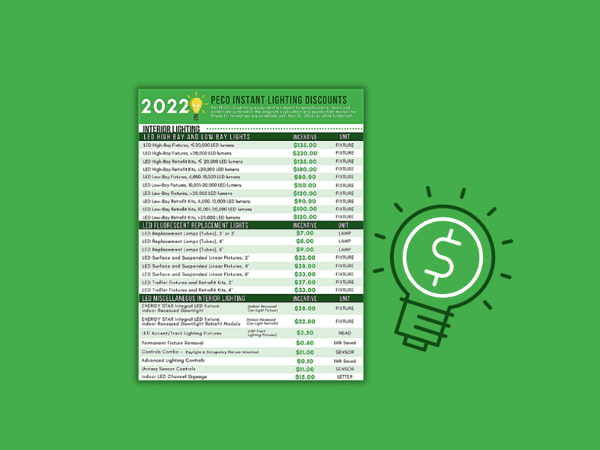
Beyond the operational benefits, many electric utilities offer prescriptive or custom rebates for commercial LED upgrades. These incentive programs can offset upfront project costs, shorten the simple payback period, and improve the overall return on investment.

Many facility owners now replace CFLs during renovation projects, lighting retrofits, or planned maintenance to minimize installation costs and prepare their buildings for future lighting technologies.

7 Lights eBook New Cover Image 2021

Are CFL Bulbs Being Phased Out?

Production and adoption of CFLs have steadily declined over the past decade.

Many manufacturers have discontinued CFL product lines, while several regions have introduced restrictions on mercury-containing lighting products. As a result, replacement options continue to shrink, making LEDs the long-term standard for most commercial lighting applications.

For facilities still operating large CFL installations, planning an LED conversion now can help simplify future maintenance and product availability.

The Future of Commercial Lighting

Replacing CFLs with LEDs is only the beginning of lighting modernization. Today's LED platforms support technologies that were not possible with older fluorescent systems.

Smart Lighting Controls

Occupancy sensors, daylight harvesting, scheduling, and automated dimming reduce energy use while improving occupant comfort.

Tunable White Lighting

Modern LED fixtures can adjust color temperature throughout the day, allowing spaces to support different activities and visual tasks.

Human-Centric Lighting

Lighting systems can be designed to better align with natural circadian rhythms, improving comfort, productivity, and overall occupant experience in offices, healthcare facilities, and educational environments.

Networked Lighting Controls (NLC)

Networked Lighting Controls connect lighting systems across an entire building, providing centralized monitoring, energy reporting, scheduling, occupancy analytics, remote control, and integration with building management systems.

As commercial buildings become increasingly connected, LED lighting serves as the foundation for smarter, more efficient facility operations.

Frequently Asked Questions

Can you replace CFL bulbs one at a time with LEDs?

Yes. Many organizations replace CFLs gradually as lamps reach the end of their service life. In contrast, others complete full retrofit projects to maximize energy savings, improve lighting consistency, and reduce future maintenance.

Do LEDs require different fixtures than CFLs?

Not always. Many LED replacement lamps are designed to fit existing CFL fixtures, but the retrofit approach depends on the existing lighting system. Commercial upgrades generally follow one of two methods:

Type A (Plug-and-Play): The LED lamp operates using the existing electronic ballast.

Type B (Direct-Wire or Ballast Bypass): The ballast is removed, and the LED lamp is wired directly to line voltage, eliminating an aging component that could become a future maintenance issue.

The best approach depends on fixture condition, ballast age, maintenance strategy, and the facility's long-term goals.

What should businesses do with old CFL bulbs?

Because CFLs contain a small amount of mercury, they should be recycled through an approved recycling or hazardous waste collection program rather than disposed of with regular trash. Proper recycling helps protect the environment and complies with local regulations.

What should facility managers evaluate before replacing CFLs?

In addition to selecting the appropriate LED lamp or fixture, facility managers should evaluate operating hours, existing ballast condition, light levels, color temperature, lighting controls compatibility, fixture condition, available utility rebates, and projected maintenance savings to maximize long-term value.

What color temperature should businesses choose when upgrading from CFL to LED?

The ideal color temperature depends on the application. Offices commonly use 3500K–4000K for a balance of comfort and visibility, while warehouses, manufacturing facilities, and exterior spaces often benefit from 4000K–5000K lighting to maximize visibility and support task performance. Choosing the appropriate color temperature helps improve occupant comfort while creating a consistent lighting environment.

Conclusion

CFLs helped usher in a new era of energy-efficient lighting, but LED technology has raised the standard even further. When comparing LED vs. CFL, LEDs deliver greater efficiency, longer life, improved light quality, enhanced controllability, and lower total cost of ownership.

For organizations pursuing energy savings, reduced maintenance, and smarter building operations, replacing older CFL installations with LED lighting remains one of the most practical investments available.